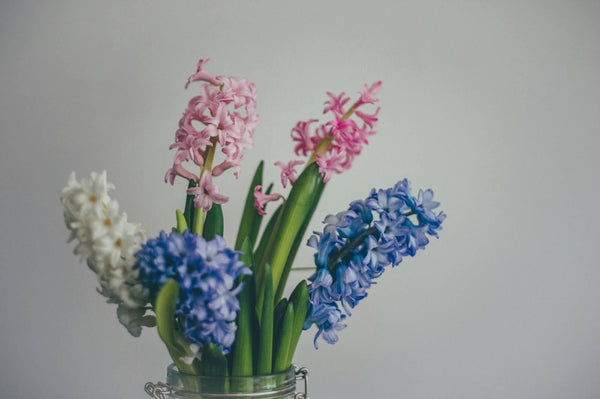
Expert Guide How To Take Care Of Amaryllis

Essential Amaryllis Care for Beautiful Blooms

By Singapore Florist Editorial Team

The amaryllis is a truly spectacular flowering plant, known for its large, vibrant blooms that can brighten any home. Growing these stunning flowers is incredibly rewarding, and with a little knowledge, you can enjoy their beauty year after year.

This guide will walk you through everything you need to know, from planting the bulb and daily care to encouraging it to flower again. With our expert tips, you will find that caring for an amaryllis is simpler than you might think, making it a perfect addition to your collection of indoor plants.

Understanding Your Amaryllis

Before we dive into the details of care, it is helpful to understand the plant itself. The large bulb you start with contains all the energy needed for its first spectacular bloom. Your job is to support this process and then help the bulb replenish its energy for the next year.

The Amaryllis Growth Cycle

The key to long-term success with an amaryllis is understanding its natural cycle. This cycle consists of four main phases: growth, blooming, energy storage after blooming, and a resting period. In tropical climates like Singapore, this resting period, often called dormancy, needs to be manually encouraged. 

By following the plant's natural rhythm, you can ensure it has the strength to produce magnificent flowers every season. Understanding this cycle transforms care from a series of random tasks into a logical and rewarding process.

Choosing a Healthy Amaryllis Bulb

Your journey begins with selecting a quality bulb. A healthy amaryllis bulb is the foundation for a strong and beautiful plant. When you are choosing one, look for a bulb that feels firm and heavy for its size, much like a healthy onion. 

It should be dry and free from any signs of mould, soft spots, or physical damage like deep cuts. Generally, the larger the bulb, the more flower stalks and blooms it will produce in its first season. A healthy bulb gives your plant the best possible start in life.

Getting Started: Planting Your Amaryllis Bulb

Once you have your bulb, the next step is planting it correctly. Proper planting sets the stage for robust growth and prevents common problems like bulb rot.

Selecting the Right Pot and Soil

Choosing the right container is important. Amaryllis plants bloom best when they are slightly 'pot-bound', meaning their roots are a little snug in the pot. Select a pot that is only about 2 to 5 centimetres wider than the diameter of the bulb. Most importantly, the pot must have drainage holes at the bottom to allow excess water to escape.

For the soil, a well-draining potting mix is essential. You can use a high-quality, sterile potting mixture that is rich in organic matter. Avoid using heavy garden soil, which can retain too much water and lead to rot. The right combination of pot and soil provides a healthy environment for your amaryllis to develop strong roots.

How to Plant Your Amaryllis Bulb

Planting an amaryllis bulb is a straightforward process. Following these steps will ensure your bulb is positioned perfectly for growth.

  • Start by filling your chosen pot about halfway with the well-draining potting mix.
  • Place the amaryllis bulb on top of the soil, with its pointed end facing up. Gently spread out any roots at the base.
  • Add more soil around the bulb until the pot is nearly full.
  • Be sure to leave the top one-third of the bulb exposed above the soil line. This is the most crucial step in preventing bulb rot, as it keeps the neck of the bulb dry.
  • After planting, water the soil thoroughly until you see water coming out of the drainage holes. Allow it to drain completely.

Essential Amaryllis Care for Beautiful Blooms

Essential Amaryllis Care for Beautiful Blooms

With your amaryllis planted, the focus now shifts to providing the right environment for it to grow and flower. Consistent care during this stage will result in tall, strong stems and vibrant, long-lasting blooms.

Light Requirements for a Healthy Amaryllis

Amaryllis plants thrive in bright, indirect sunlight. A spot near a window that receives plenty of light but is shielded from the harsh midday sun is ideal. In Singapore, an east-facing window can provide the perfect amount of gentle morning sun. 

To encourage the flower stalk to grow straight and tall, it is a good idea to rotate the pot every few days. If the plant leans towards the light, a quick turn will help it straighten up again. Once the colourful flower buds begin to open, moving the plant to a slightly shadier spot can help the blooms last longer.

Watering Your Amaryllis Correctly

Proper watering is critical for the health of your amaryllis. After the initial watering when you first plant the bulb, you should water sparingly until you see the first signs of new green growth. Once the stem and leaves appear, you can begin to water more regularly. The best rule of thumb is to check the soil. When the top 2 to 5 centimetres of the soil feel dry to the touch, it is time to water again.

When you do water, do so thoroughly, allowing the excess to drain away completely. Never let the pot sit in a saucer of water, as this can lead to waterlogged soil and cause the bulb and roots to rot. Overwatering is one of the most common mistakes, so it is always better to let the soil dry out slightly between waterings.

Fertilising for Bigger, Brighter Flowers

While the bulb contains enough energy for its first bloom, providing extra nutrients will help it grow stronger and store energy for future flowers. You can start to fertilise your amaryllis once you see a few centimetres of new growth. Use a balanced indoor plant fertiliser and dilute it to half the recommended strength.

Feed your plant every two to four weeks during its active growing and flowering period. Once the flowers fade, you should continue this feeding schedule while the leaves are still green. This post-bloom feeding is vital, as it is when the plant works to store energy in the bulb for the next season's display.

Providing Support for Tall Stems

Amaryllis flower stalks can grow impressively tall, and the large, heavy blooms can sometimes cause the stems to bend or even break. To prevent this, it is wise to provide some support. You can place a thin bamboo stake or a specially designed plant support into the soil near the stem, being careful not to damage the bulb. 

Use a soft plant tie or a piece of string to gently secure the stem to the stake. This simple step ensures your beautiful blooms are well-supported and displayed perfectly.

After the Flowers Fade: Post-Bloom Amaryllis Care

What you do after your amaryllis has finished flowering is just as important as the care you provide beforehand. This is the phase where the plant gathers and stores energy for the next year. Many people make the mistake of discarding the plant at this stage, but with proper flower care, you can encourage it to bloom again.

What to Do Immediately After Blooming

Once a flower has withered and faded, you should carefully cut it off at the point where it meets the main stem. This is known as deadheading. This prevents the plant from wasting energy trying to produce seeds. After all the flowers on a stalk have faded, you can cut the entire flower stalk down to about 2 to 5 centimetres from the bulb. 

However, do not cut the stalk while it is still green; allow it to turn yellow and wither first, as it is still providing nutrients to the bulb through photosynthesis. The most important thing to remember is not to cut off the long, strap-like leaves. These leaves are the plant's powerhouse and must be left to grow.

Continuing Care Through Spring and Summer

After the blooming period, your amaryllis enters its energy-storage phase. Treat it like any other houseplant. Continue to place it in a bright, sunny spot and keep watering it whenever the top layer of soil feels dry. You should also continue to fertilise it every few weeks. 

The leaves will continue to grow and absorb sunlight, creating food that is stored in the bulb for the next flowering cycle. In Singapore, you can place the pot on a bright balcony, but ensure it is protected from heavy rainfall to prevent the soil from becoming waterlogged. The healthier the leaves are during this period, the more spectacular your blooms will be next year.

How to Make Your Amaryllis Bloom Again

How to Make Your Amaryllis Bloom Again

To get your amaryllis to rebloom, you need to simulate the changing seasons it would experience in its native habitat. This involves providing a cool, dry resting period, often called dormancy, to signal the bulb that it is time to prepare for new flowers.

Inducing a Period of Dormancy

This resting period is the secret to getting your amaryllis to flower again. It allows the bulb to reset and prepare for a new cycle of growth. This process should be started about two to three months before you want the plant to bloom again.

  • Begin by stopping all watering and feeding.
  • Move the pot to a cool, dark, and dry location, such as a cupboard or a spare room that does not get much light. An ideal temperature is between 10-15°C.
  • Over the next few weeks, the leaves will gradually turn yellow and wither. This is a completely normal part of the process. Once they have yellowed completely, you can cut them off close to the neck of the bulb.
  • Leave the bulb to rest in these cool, dark conditions for at least 8 to 12 weeks. Do not water it at all during this time.

Waking Up Your Amaryllis for New Blooms

After the resting period is over, it is time to wake your amaryllis up and start the growth cycle all over again. You can decide when to do this based on when you would like to see flowers. Simply bring the pot out of its dark storage place and put it back in a warm, bright location. This is also the perfect time to repot the bulb in fresh soil if it needs it.

Give the soil a thorough watering to signal to the bulb that its rest is over. After this, only water again when the soil starts to dry out. You should see new green growth emerging from the top of the bulb within a few weeks. Once this growth appears, you can resume your regular watering and fertilising routine. With this care, you can expect to see beautiful new flowers in about four to six weeks.

Repotting Your Amaryllis

Repotting Your Amaryllis

Eventually, your amaryllis will need a new pot. This gives it fresh soil full of nutrients and more space for its roots to grow, ensuring the plant remains healthy for years to come.

When to Repot Your Amaryllis

Amaryllis plants do not need to be repotted very often. In fact, they flower best when their roots are slightly confined. As a general rule, you should only repot your amaryllis every three to four years, or when you notice that the bulb has become very large and is touching the sides of the pot. The ideal time to repot is right after you have brought it out of its dormancy period, just before you begin watering it to start new growth.

How to Repot an Amaryllis Bulb

Repotting is a simple task that can rejuvenate your plant. Follow these steps for the best results.

  • Carefully tip the pot on its side and gently slide the bulb and its root ball out.
  • Gently shake off the old soil from the roots. Take this opportunity to inspect the roots and trim away any that look dried out, dead, or damaged.
  • Choose a new pot that is just slightly larger than the old one, ensuring it has good drainage.
  • Follow the same planting instructions from earlier in this guide, using fresh potting mix and leaving the top third of the bulb exposed.

Common Amaryllis Problems and Solutions

While amaryllis plants are generally robust, you may occasionally encounter a few issues. Knowing how to identify and solve these common problems will help you keep your plant healthy.

Pests Affecting Amaryllis

Like many houseplants, amaryllis can sometimes attract pests such as spider mites, aphids, or mealybugs. These pests are often found on the leaves or near the base of the plant. If you spot any, you can usually deal with them by wiping the leaves with a damp cloth or using a gentle, commercially available insecticidal soap. Regularly inspecting your plant can help you catch any pest problems early.

Amaryllis Diseases to Watch For

The most common disease affecting amaryllis is red blotch. This fungal disease appears as red spots or streaks on the leaves, stem, and even the bulb. While it looks alarming, it is often cosmetic and can be managed by ensuring good air circulation around the plant and being careful not to overwater. Bulb rot is another serious issue, almost always caused by soil that is too wet. This is why using a well-draining soil and a pot with drainage holes is so important.

Addressing Common Issues

Sometimes, your amaryllis may not behave as expected. If your plant does not produce any flowers, it is likely because the bulb did not store enough energy during the previous growing season. This highlights the importance of continuing to care for the leaves long after the flowers have faded. 

If you notice the leaves turning yellow during the active growing season, it is often a sign of overwatering. Check the soil moisture and adjust your watering schedule. Finally, if the plant's growth seems weak or spindly, it is probably not receiving enough light. Try moving it to a brighter location.

Conclusion On How to Take Care of Amaryllis

Caring for an amaryllis is a deeply satisfying experience that rewards you with some of the most stunning flowers you can grow indoors. By understanding its simple needs for light, water, and a crucial resting period, you can enjoy its magnificent blooms for many years. 

Remember that the care you provide after the flowers fade is the secret to ensuring a beautiful display the following year. With this guide, you have all the knowledge you need to help your amaryllis thrive.

If you have any questions or would like to order a beautiful bouquet of flowers, please contact us. To find beautiful flowers and bouquets for any occasion, visit Singapore Florist today.

Frequently Asked Questions About How to Take Care of Amaryllis

How Do You Care for an Amaryllis Plant Indoors?

To care for an amaryllis indoors, place it in a location with bright, indirect sunlight. Water it thoroughly when the top 2-5 centimetres of soil become dry, but avoid letting it sit in water. Fertilise with a balanced houseplant food every 2-4 weeks during the growing season. It is also helpful to rotate the pot regularly to encourage straight growth and provide a stake for support if the flower stalk becomes top-heavy.

How Do I Keep My Amaryllis Blooming?

An amaryllis bulb typically blooms once per year. To make the existing flowers last longer, move the plant to a cooler spot out of direct sun once the buds open. To ensure it blooms again the following year, you must provide excellent care after the flowers fade. Allow the leaves to grow and store energy, then give the bulb an 8-12 week cool, dark, and dry resting period to reset it for the next blooming cycle.

How Do You Take Care of an Amaryllis After It Blooms?

After the flowers fade, cut them off to prevent seed production. Once the entire flower stalk turns yellow, you can cut it back to a few centimetres from the bulb. It is crucial to leave the foliage intact. Continue to water and fertilise the plant regularly, treating it like a normal houseplant. The leaves will gather energy from the sun and store it in the bulb for the next season's flowers.

Do You Water Amaryllis From the Top or Bottom?

You can water an amaryllis from the top. Pour water directly onto the soil, avoiding the exposed portion of the bulb itself. Water until you see it flowing out of the pot's drainage holes. This ensures the entire root system gets a good drink. After watering, be sure to discard any excess water from the saucer so the plant is not left sitting in it.

Should I Cut the Leaves Off My Amaryllis?

You should not cut the green leaves off your amaryllis after it has finished flowering. The leaves are essential for photosynthesis, which is the process the plant uses to create and store food in the bulb. This stored energy is what fuels the next year's growth and blooms. Only remove the leaves once they have naturally turned yellow and withered as the plant enters its dormancy period.

How Many Years Will an Amaryllis Bulb Bloom?

With proper care, an amaryllis bulb is a long-term investment that can live and rebloom for many years, sometimes for 25 years or even longer. As the bulb matures, it will also produce smaller offset bulbs, known as bulbils, around its base. These can eventually be separated and potted up to create new plants, allowing you to multiply your collection over time.

返回博客