16 Types Of Lilac Flowers To Add Vibrance To Every Bouquet

16 Types Of Lilac Flowers To Add Vibrance To Every Bouquet

By Singapore Florist Editorial Team

Lilacs are the quintessential flower of spring, famous for their cone-shaped blooms and intoxicating perfume. While these woody shrubs do not grow in our tropical Singapore climate, they remain a luxurious choice for imported bouquets. 

This guide explores the most popular true Syringa varieties you can request from your florist, as well as stunning year-round lookalikes that offer the same romantic aesthetic. Whether you love the classic purple bloom or the rare white double-flower, here is everything you need to know about bringing the beauty of lilacs into your home.

Understanding the Lilac: More Than Just a Colour

When we think of lilacs, we often think of a specific shade of soft purple. However, the lilac flower, scientifically known as Syringa, is much more than just a colour. It is a symbol of first love, renewal, and confidence. For many women, the scent of a fresh lilac bouquet is enough to bring back happy memories.

In Singapore, true lilacs are a seasonal treat. Because they thrive in cold winters and mild springs, they are imported from cooler climates. This makes them a premium flower, often available only during the spring months of the exporting countries. However, their short availability makes them even more special. When they are in season, they are the star of any floral arrangement.

It is also important to know that the "lilac look" can be achieved with other flowers. Many blooms share the same clustered, cone-like shape and sweet fragrance. Expert florists often use these lookalikes to create that soft, garden-style bouquet even when true lilacs are not in season.

True Lilac Varieties for Elegant Arrangements

If you are looking to order a specific type of lilac for a special occasion, it helps to know the varieties. There are over 20 species of lilacs, but only a few are commonly used as cut flowers. These varieties have been bred for their incredible scent and stunning petal shapes. Here are the top true lilac varieties to look for.

1. Common Lilac (Syringa vulgaris)

The Common Lilac is the most well-known variety. It sets the standard for what a lilac should look and smell like. The flowers grow in large, cone-shaped clusters called panicles. Each individual flower is small and star-shaped.

In a bouquet, the Common Lilac provides a burst of nostalgia. The colour is usually the classic lilac-purple, but it can vary from very pale lavender to a richer violet. The scent is powerful and sweet. It is often described as the true scent of spring. If you want your living room to smell like a fresh garden, this is the variety to choose. It holds up reasonably well in a vase, especially if kept in a cool, air-conditioned room.

2. The 'Beauty of Moscow' (Krasavitsa Moskvy)

This variety is often called the queen of lilacs. The 'Beauty of Moscow' is arguably the most beautiful white lilac in the world. It is a favourite for wedding bouquets because of its intricate petals.

What makes this flower unique is its colour transformation. The buds start as a soft, pale pink. As they open, they reveal double-white petals that look like tiny roses. The result is a stunning mix of white and blush pink in one cluster. It looks incredibly sophisticated in a tall glass vase. The scent is strong but slightly spicy, making it distinct from the Common Lilac.

3. Charles Joly

For those who prefer a darker, more dramatic look, the Charles Joly is an excellent choice. This is one of the earliest French hybrids and remains popular today. The flowers are a deep wine-red or magenta colour.

The Charles Joly features double blooms, meaning each small flower has extra petals, giving the cluster a fuller, fluffier appearance. In a floral arrangement, this deep purple hue adds depth. It contrasts beautifully with pale pink roses or white lilies. It has a very rich fragrance that can fill a large room.

4. Madame Lemoine

Madame Lemoine

If you are dreaming of a pure white bouquet, Madame Lemoine is the classic choice. It is considered the first double-flowered white lilac ever introduced to the gardening world.

The flower clusters are large and dense. Because the flowers are double, they look very frilly and foam-like. This texture is perfect for adding volume to a bouquet without weighing it down visually. It represents innocence and purity, making it a lovely gift for a new mother or a bride. The stems are sturdy, which is great for supporting the heavy flower heads in a vase.

5. President Lincoln

Blue is a rare colour in the flower world, but the President Lincoln lilac comes very close. This variety is prized for its "true blue" petals. While no flower is perfectly blue, this lilac is a distinct Wedgewood blue rather than purple.

The flowers are single, not double, which gives them a simple, elegant look. The panicles are long and open. In a mixed bouquet, the blue tone pops against yellow or orange flowers. It is a fast-growing variety in nature, which translates to long, elegant stems for your vase.

6. Sensation

The Sensation lilac lives up to its name. It is truly a sensation to behold because it is a bi-colour flower. Each tiny petal is a rich purple-red, but it is outlined with a crisp white edge.

This unique colouring gives the flower a sparkling effect. From a distance, it looks like it is shimmering. Because the pattern is so busy and beautiful on its own, Sensation lilacs look best in a mono-bouquet. This means you do not need to mix them with other flowers. A simple bunch of Sensation lilacs in a clear vase is a modern and chic statement piece for a dining table.

7. Primrose Lilac

Yellow is not a colour usually associated with lilacs, which makes the Primrose variety very special. It is the only lilac that blooms in a creamy-yellow shade.

The colour is not a bright sunflower yellow, but rather a soft, buttery cream that fades to white as the flower ages. This makes it perfect for pastel arrangements. It pairs wonderfully with spring tulips and daffodils. The fragrance is intense and sweet. It is a rare find, so if your florist has this available, it is worth trying.

8. Persian Lilac (Syringa persica)

The Persian Lilac is different from the robust varieties mentioned above. It is a smaller, daintier flower. The clusters are not as thick, giving it a more airy and graceful appearance.

The stems are often more arching, which creates lovely lines in a floral arrangement. The flowers are typically a pale lavender. This type of lilac is perfect for smaller table centrepieces where you do not want the flowers to block the view across the table. It has a spicy, musky scent that is quite unique.

Lilac Lookalikes: Achieving the Look Year-Round

Since true lilacs are not always available in Singapore due to their seasonality, florists often use "lookalike" flowers. These blooms mimic the shape, texture, or colour of lilacs. They are excellent alternatives that allow you to enjoy that romantic, purple aesthetic all year round.

9. Matthiola (Stock Flowers)

Matthiola, commonly known as Stock, is the number one alternative to lilac in Singapore. It is widely available and comes in luscious shades of purple, pink, white, and peach.

Visually, Stock looks very similar to lilac. It has a tall, thick stem topped with a cluster of ruffled, soft petals. The texture is fluffy and dense, just like a lilac panicle. It also has a wonderful scent. The fragrance is spicy, sweet, and clove-like. Stock is very durable and has a decent vase life, making it a practical choice for our tropical climate.

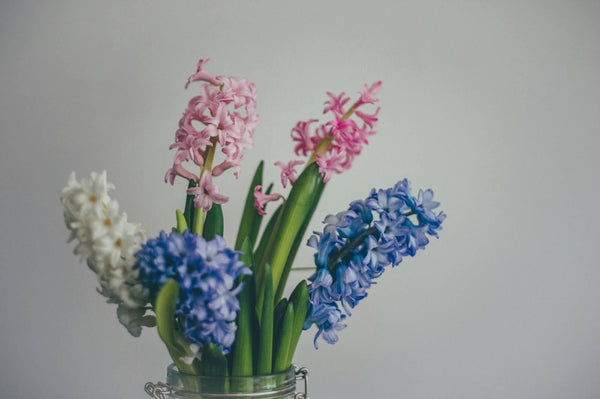
10. Hyacinth

Hyacinth

The Hyacinth is a spring bulb that offers a very similar look to the lilac, though on a shorter stem. The flowers grow in a tight, cylindrical spike. Each floret is star-shaped and waxy.

Hyacinths are famous for their powerful perfume. One or two stems can scent an entire bathroom or bedroom. They come in deep indigo, violet, pink, and white. While the stems are too short for tall bouquets, they are perfect for low, glass cubes or small vases. They bring that intense "spring smell" into the home just like lilacs do.

11. Buddleia (Summer Lilac)

Buddleia is often called "Summer Lilac" because it looks almost identical to the real thing. The flower cones are long, tapered, and made up of hundreds of tiny blooms.

The main difference is the vibe. Buddleia has a wilder, more rustic look. The stems are often curved or drooping, which adds movement to a bouquet. It comes in shades of deep purple, magenta, and white. It has a honey-like fragrance that butterflies love in the wild. For a "just-picked from the garden" style arrangement, Buddleia is the perfect substitute.

12. Delphinium

If you love the height and grandeur of lilac branches, you will love Delphinium. These are tall, majestic flowers that grow in a long spike.

Delphiniums are one of the few flowers that come in true blue, as well as lilac, purple, and white. They are perfect for adding height to a large lobby arrangement or a grand centrepiece. While the individual flowers are larger than lilac florets, the overall effect of a tall, colourful spike is very similar. They add drama and elegance to any room.

13. Lavender

Lavender is often the first flower people think of when they want a purple, scented bloom. While the flower heads are much smaller and thinner than a lilac, the colour and scent are complementary.

Fresh cut lavender adds a wonderful herbal fragrance to a bouquet. The colour is that specific grey-purple that is so trendy in interior design. Lavender dries very well, so even after your bouquet fades, you can keep the dried lavender stems for their scent. They look lovely tucked into a mixed bouquet of white roses or paired with Matthiola.

14. Wisteria

Wisteria offers a cascading, drooping beauty that is breathtaking. While true lilacs stand upright, Wisteria hangs down like a curtain of purple rain.

Using Wisteria in a vase can be tricky because of its draping nature, but it is incredible for event decor or high shelf displays where the blooms can hang down. The colour is a soft, pale violet. It has a sweet, musky scent. It captures the romance of lilacs but with a more whimsical, fairy-tale shape.

15. Veronica (Speedwell)

Veronica is a great "filler" flower that mimics the shape of a lilac bud. The flowers grow in thin, tapered spikes. They add great texture to a bouquet.

Available in purple, blue, pink, and white, Veronica looks like a miniature, slender lilac. It is very long-lasting in a vase. It gives arrangements a "spiky" look that breaks up the roundness of roses or peonies. It is modern and clean-looking, perfect for contemporary homes.

16. Snapdragons (Antirrhinum)

Snapdragons are a florist staple. They are tall stalks covered in clustered blooms. They come in almost every colour, including many shades of lavender and purple.

While the individual flower shape is different—they look like little dragon mouths—the dense clustering on a tall stem gives a similar visual weight to lilacs. They are very readily available in Singapore and last a long time in water. They are excellent for adding height and colour to everyday bouquets.

Tips for Displaying Lilac Flowers in Singapore

Tips for Displaying Lilac Flowers in Singapore

Keeping cut flowers fresh in Singapore can be a challenge due to the heat. Lilacs, being woody shrubs from cold climates, need extra care to ensure they drink enough water. Here is how to keep your lilacs in a vase and their lookalikes looking fresh.

Selecting the Right Vase

Lilac stems are woody and heavy. They need a heavy vase that will not tip over. Glass vases are elegant, but a ceramic pitcher or a heavy crystal vase often works better for stability. Ensure the vase is tall enough to support the heavy flower heads so they do not droop.

Conditioning the Stems

Since lilacs have woody stems, they struggle to drink water once cut. You must help them.

  • Use sharp shears to cut the stem at a 45-degree angle. This increases the surface area for drinking.
  • Make a vertical cut up the centre of the stem, about 2cm long.
  • Remove all leaves that will sit below the water line. Leaves in water will rot and create bacteria.
  • Fill your vase with warm water, not cold. Warm water molecules move faster and travel up the woody stem more easily.

Fighting the Humidity

In Singapore, the heat is the enemy of fresh flowers.

  • Always display your flowers in an air-conditioned room if possible.
  • Keep the vase away from direct sunlight and away from fruit bowls. Ripening fruit releases gas that makes flowers fade faster.
  • Change the water every single day. Fresh water prevents bacteria from blocking the stems.

Pairing Lilacs in a Bouquet

Lilacs are versatile and pair well with many other blooms. Here are some ideas for your next order.

Colour Palettes

A monochromatic palette is very chic. Mix purple lilacs with lavender Matthiola and dark purple Tulips. This creates a rich, layered look using different textures of the same colour.

For a fresh spring look, pair white lilacs with yellow Tulips and green Viburnum (Snowball flowers). The yellow and white combination is cheerful and brightens up any living space.

Texture Combinations

Lilacs have a fluffy, matte texture. They look stunning when contrasted with smooth, shiny flowers. Try pairing them with classic Roses. The smooth petals of a rose look velvety next to the clustered lilac blooms. You can also add shiny green foliage like Camellia leaves to frame the bouquet and make the purple colour pop.

Conclusion On Types of Lilac Flowers

Lilacs are truly one of the most magnificent flowers you can display in your home. Their heady fragrance and romantic appearance make them a favourite for women all over the world. 

Whether you are lucky enough to get a bouquet of imported 'Beauty of Moscow' or you opt for the sturdy and sweet-scented Matthiola, the "lilac look" adds instant elegance to any room. 

These flowers are perfect for honouring a special occasion or simply treating yourself to a touch of luxury. By understanding the different varieties and how to care for them in our Singapore climate, you can enjoy their beauty for longer.

If you have any questions or want to order a bouquet of flowers, please contact us. Visit Singapore Florist to find beautiful flowers and bouquets for any occasion.

Frequently Asked Questions About Types of Lilac

What Are The Different Types Of Lilac Flowers?

The most common types used in floristry are the Common Lilac (Syringa vulgaris), which comes in purple and white, and the Persian Lilac, which is smaller and more delicate. Premium varieties like 'Beauty of Moscow' (white double flowers) and 'Charles Joly' (dark red-purple) are also popular for high-end bouquets.

Which Lilac Variety Is The Most Fragrant?

The Common Purple Lilac (Syringa vulgaris) is widely considered the most fragrant. It has that classic, strong, sweet perfume that people associate with spring. The white varieties are also fragrant but tend to be slightly more subtle or spicy compared to the purple ones.

What Flowers Look Like Lilacs But Aren't?

Several flowers mimic the look of lilacs. The most common lookalike in Singapore is Matthiola (Stock), which has similar fluffy, scented spikes. Buddleia (Summer Lilac) looks almost identical but is wilder. Hyacinths also look similar but grow on much shorter, thicker stems.

Are There Different Colours Of Lilacs Besides Purple?

Yes, lilacs come in several colours. Aside from the classic lilac-purple, you can find them in pure white, violet, blue (like the President Lincoln variety), magenta, and even creamy yellow (the Primrose Lilac). There is also a bi-colour variety called Sensation which is purple with white edges.

How Do I Keep Cut Lilacs Fresh In A Vase?

To keep cut lilacs fresh, cut the woody stems at an angle and split the bottom inch vertically to help them drink water. Remove all leaves below the water line. Use warm water in the vase and keep the flowers in a cool, air-conditioned room away from direct sunlight. Change the water daily.

What Is The Difference Between A Lilac And A Lavender?

Lilacs are large woody shrubs with broad heart-shaped leaves and large, cone-shaped flower clusters. Lavender is a smaller herb with thin, needle-like leaves and thin flower spikes. While both are purple and fragrant, lilacs have a sweet, floral scent, whereas lavender has a herbal, calming scent.

返回博客