

Table of Contents
Hydrangeas are more than just pretty blossoms adorning garden fences or sprucing up wedding bouquets. With their lush pom-poms and ever-changing hues, they carry secrets that few people know. If you're a curious soul or simply love nature, you're in for a treat.
We’ve rounded up the most intriguing insights into these floral wonders, yes, we’re talking about interesting facts about hydrangeas that will surprise even the most seasoned plant lovers.
Whether you're considering planting hydrangeas, gifting them to someone special, or just keen to learn more, this list is packed with fun facts about hydrangeas that go beyond the petals.
1. Hydrangeas Belong To The Hydrangeaceae Family
This plant family includes over 70 different species, making hydrangeas incredibly diverse in form and bloom type.
2. Their Name Comes From Greek Words
‘Hydor’ means water, and ‘angos’ means vessel, referring to how much water these thirsty plants love.
3. Native To Asia And The Americas

Hydrangeas are originally from regions like Japan, Korea, China, and parts of North and South America.
4. Soil Type Influences Their Colour
Acidic soil results in blue blooms, while alkaline soil produces pink ones - a unique trait among flowering plants.
5. White Hydrangeas Stay White
Unlike their colourful counterparts, white varieties don’t change colour based on soil pH.
6. You Can Alter Their Colour With Soil Additives
Changing your soil’s pH using lime or aluminium sulphate can shift hydrangea colours between pink and blue.
7. They Bloom From Spring To Autumn
Hydrangeas have a long flowering season, which makes them a garden favourite for consistent beauty.
8. Some Varieties Grow Up To 15 Feet Tall
With the right conditions, certain species like Hydrangea paniculata can grow impressively tall.
9. Bigleaf Hydrangea Is The Most Popular Type
Also known as Hydrangea macrophylla, this type is famous for its large, vibrant blooms.
10. Panicle Hydrangeas Have Cone-Shaped Flowers
These varieties bloom in conical clusters and are prized for their hardiness and ease of care.
11. Oakleaf Hydrangeas Have Distinctive Leaves
Their foliage resembles oak tree leaves and turns a beautiful reddish hue in autumn.
12. Mophead Hydrangeas Feature Globe-Shaped Blooms

These are the show-stoppers with big, round flower heads that steal the spotlight in any arrangement.
13. Lacecap Hydrangeas Look More Delicate
They have flat heads with a centre of tiny flowers surrounded by larger petals, giving a lacy appearance.
14. They Can Live For Decades
Hydrangeas are hardy perennials, and with proper care, they can thrive in your garden for many years.
15. They Return Every Year
Being perennials means you don’t need to replant them each season - they’ll happily come back on their own.
16. Partial Shade Is Their Sweet Spot
They prefer morning sun and afternoon shade, which helps them bloom without getting scorched.
17. In Korea, They Symbolise Apology And Gratitude
Different cultures assign different meanings, and in Korea, hydrangeas convey sincerity and heartfelt emotions.
18. Victorians Thought They Symbolised Vanity
Due to their showy blooms, Victorians once believed hydrangeas represented boastfulness and pride.
19. Used In Traditional Asian Medicine
In some Asian cultures, parts of the hydrangea plant have been used for medicinal purposes, particularly the roots.
20. Dried Roots Were Thought To Help Kidneys
Especially Hydrangea arborescens, which has been used in herbal medicine for its supposed benefits to kidney health.
21. A Favourite Among Florists
Hydrangeas are often used in floral arrangements for their full blooms and ability to add volume effortlessly.
22. Perfect For Adding Texture To Bouquets
Their rich petals and soft shapes complement other flowers and bring a lush touch to wedding and event designs.
23. Popular In Bridal Arrangements
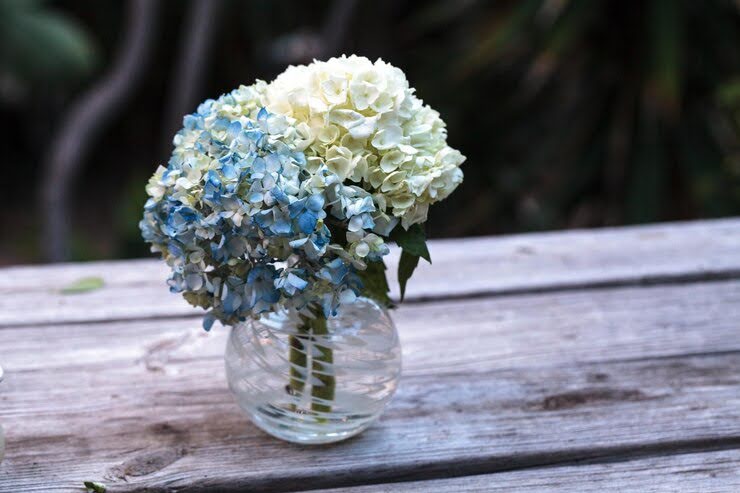
Hydrangeas are commonly used in bridal bouquets and décor because they symbolise grace, unity, and heartfelt emotion.
24. One Bloom Is Made Of Many Small Flowers
Each large hydrangea bloom is actually a cluster of tiny, delicate flowers grouped together.
25. Symbolise Heartfelt Emotion And Understanding
Depending on colour and culture, hydrangeas are linked with deep feelings, apologies, and emotional depth.
26. Seen As A Sign Of Prosperity In Some Cultures
Their fullness and abundance make them a symbol of wealth and good fortune in various traditions.
27. They Thrive In Pots Too
You don’t need a garden to enjoy hydrangeas - they do well in containers on balconies or patios.
28. Love Moist Soil But Hate Being Waterlogged
Hydrangeas enjoy consistently moist soil but poor drainage can lead to root rot, so watering needs balance.
29. Some Types Handle Drought Better
Varieties like panicle hydrangeas are more resilient in dry weather, making them great for low-maintenance gardening.
30. Shallow Roots Benefit From Mulching
Because their roots sit close to the surface, mulching helps conserve moisture and regulate soil temperature.
31. Over-Fertilising Leads To More Leaves, Fewer Blooms
A common mistake is giving too much fertiliser - this causes leafy growth but fewer flowers.
32. Pruning Rules Depend On Type
Different hydrangeas need different pruning methods - some bloom on old wood, others on new.
33. Knowing The Bloom Wood Matters When Pruning

If you prune the wrong way or at the wrong time, you might accidentally cut off next season’s flowers.
34. Attract Bees And Butterflies
Hydrangeas contribute to pollinator-friendly gardens, especially those with more open flower types like lacecaps.
35. Deer Tend To Avoid Them
Unlike many other garden plants, hydrangeas are usually left alone by hungry deer - a win for rural gardens.
36. Their Seeds Are Tiny And Rarely Used
Most people don’t grow hydrangeas from seed because the seeds are small and take a long time to develop.
37. Easily Propagated Through Cuttings
The simplest way to grow more hydrangeas is by taking a cutting and rooting it in water or soil.
38. Cut Flowers Can Last Up To Two Weeks
When properly trimmed and cared for, hydrangeas can stay fresh and full in a vase for around 10 to 14 days.
39. You Can Revive Wilting Stems In Water
If your hydrangea flowers wilt, submerging the entire stem in water can bring them back to life overnight.
40. Dried Hydrangeas Make Lovely Décor
Let them dry out naturally, and they’ll keep their beauty for months - perfect for rustic arrangements or wreaths.
41. Common In Art And Interior Design
Hydrangeas often appear in paintings, home décor, and even fashion prints for their romantic and soft aesthetic.
42. Slightly Toxic To Pets If Eaten

While they’re safe to touch, some parts of the plant can be mildly poisonous to cats and dogs when ingested.
43. Surprisingly Easy To Grow
Despite their fancy look, hydrangeas are one of the easiest flowering shrubs to plant, grow, and love.
More Interesting Facts About Hydrangeas
1. Bigleaf Hydrangea (Hydrangea macrophylla)
Also known as French hydrangeas, these are the most recognisable types of hydrangeas. They bloom in pink or blue, depending on the soil pH, and are perfect for home gardens.
2. Mountain Hydrangea (Hydrangea serrata)

Similar to the bigleaf variety but with a daintier frame. Their lacecap blossoms make them a charming choice for shaded areas and containers.
3. Oakleaf Hydrangea (Hydrangea quercifolia)
Easily identifiable by their oak-shaped leaves, which turn red or bronze in autumn. Their cone-shaped blooms bring depth to gardens.
4. Smooth Hydrangea (Hydrangea arborescens)
Known for its bold white blooms, the most famous cultivar ‘Annabelle’ is a reliable favourite for creating a soft, elegant look.
5. Panicle Hydrangea (Hydrangea paniculata)
These cone-shaped bloomers are more sun-tolerant than others. Look out for the popular ‘Limelight’ variety with greenish-white flowers.
6. Climbing Hydrangea (Hydrangea petiolaris)
As the name suggests, these hydrangeas climb up walls or fences. They produce fragrant white flowers and work well in shaded vertical spaces.
7. Hydrangea ‘Endless Summer’
A standout among the different types of hydrangeas, this one reblooms throughout the season. It’s known for its ability to thrive in a variety of climates.
8. Mophead Hydrangea
A subset of bigleaf hydrangeas, these produce full, round flower heads that resemble colourful balls. Great for hedges or bold displays.
9. Lacecap Hydrangea

Another bigleaf subtype, lacecaps, has flat clusters of tiny fertile flowers surrounded by showy sterile ones, giving them a delicate look.
10. Hydrangea ‘Zorro’
Notable for its dramatic black stems and lacecap blooms, it brings contrast and sophistication to your garden beds.
11. PeeGee Hydrangea
Technically a panicle hydrangea, ‘PeeGee’ is often shaped into small trees. It blooms late and thrives even in tough spots.
12. Hydrangea ‘Little Lime’
A dwarf variety of the ‘Limelight’ hydrangea, ideal for smaller spaces. It packs the same lush lime-green flowers in a more compact size.
13. Hydrangea ‘Twist-n-Shout’
This reblooming lacecap hybrid has vivid stems and a reliable blooming cycle, making it both practical and pretty.
14. Hydrangea ‘Vanilla Strawberry’
A panicle variety that shifts colour from creamy white to strawberry pink, making it a dynamic addition through the season.
15. Hydrangea ‘Bobo’
Short in stature but big on blooms, ‘Bobo’ is a panicle type perfect for containers and tight garden corners.
16. Hydrangea ‘Blue Wave’
A favourite among the different kinds of hydrangeas, this lacecap displays waves of soft blue or lilac petals, depending on your soil.
17. Hydrangea ‘Preziosa’
This changing variety starts with creamy blooms that age to deep purple and burgundy, a fascinating feature for flower lovers.
18. Hydrangea ‘Tuff Stuff’
This compact mountain hydrangea reblooms and is cold-hardy. Great for border plantings or patio pots.
19. Hydrangea ‘Incrediball’
Known for massive white blooms on sturdy stems, it’s a smooth hydrangea that delivers both strength and style.
20. Hydrangea ‘Cityline Series’
These compact mopheads come in a range of bold colours and are designed for smaller gardens and urban containers.
21. Hydrangea ‘Fire Light’
One of the newer varieties of hydrangeas, it starts white and then matures to deep rose pink, excellent for evening drama in your yard.
22. Hydrangea ‘Miss Saori’

A showstopper with double-flowered petals in white, edged in pink. This variety adds a unique artistic flair.
23. Hydrangea ‘Pistachio’
With its striking green petals tinged in red and pink, ‘Pistachio’ brings a splash of unexpected colour to the garden.
Conclusion About Interesting Facts About Hydrangeas
As you can see, hydrangeas aren't just a pretty face. Their colour-changing magic, centuries of symbolism, and practical perks make them fascinating garden companions. Whether you're gifting a bouquet, growing your own, or simply admiring them from afar, these blooms deserve a bit more appreciation.
If these hydrangea facts have charmed you, why not experience them up close? At Singapore Florist, we bring the beauty of fresh hydrangeas right to your doorstep. With the flower delivery service, plus 10% off your first purchase and a convenient flower subscription option, it’s easier than ever to enjoy these blooms all year round.
Browse our hydrangea collection today and treat yourself or someone you love.
Frequently Asked Questions About Interesting Facts About Hydrangeas
What Is The Meaning Behind Hydrangeas?
Hydrangeas often symbolise heartfelt emotions, gratitude, and understanding, though meanings may vary by culture and colour.
Can I Change The Colour Of My Hydrangeas?
Yes, certain varieties like Hydrangea macrophylla can change colour based on the soil’s pH - acidic for blue, alkaline for pink.
Do Hydrangeas Require A Lot Of Water?
They prefer consistently moist soil but not waterlogged conditions. Regular watering and mulching help maintain the right moisture level.
How Long Do Cut Hydrangeas Last?
With proper care, cut hydrangeas can last up to two weeks in a vase. Recutting stems and changing water regularly helps extend their life.
Are Hydrangeas Poisonous To Pets?
Yes, some parts of hydrangeas contain compounds that can be toxic to cats and dogs if ingested, so keep them out of reach of pets.
When Is The Best Time To Prune Hydrangeas?
This depends on the type. Some bloom on old wood and should be pruned after flowering, while others bloom on new wood and can be pruned in late winter.
Share This Article

Jim Ng
Owner of Singapore FloristJim Ng is the owner of Singapore Florist, the boutique flower studio first opened in 1987 by its founding family. Jim and his team acquired Singapore Florist from the original owners with one promise: keep the craft, keep the customer relationships, and modernise everything else. Today the studio works out of Eunos Techpark, ships fresh stems islandwide, and has grown its review base past 202 verified Google reviews.
This article is part of an ongoing, well-researched flower-care library written by the Singapore Florist team, drawing on nearly four decades of hands-on bouquet design, daily delivery experience, and direct relationships with growers across Asia. If you spot anything we have missed or have a specific flower question, WhatsApp us directly and we will weave the answer into a future post.