

Table of Contents
Hellebores, often called Christmas roses or Lenten roses, are among the few blooms that dare to open their petals in winter. With soft, nodding flowers in shades of cream, plum, and green, they bring quiet charm and understated elegance to floral arrangements. Florists love them because they add depth, texture, and a touch of serenity to bouquets, especially during the cooler months when most flowers fade away.
But hellebores can be a bit temperamental once cut. Their delicate stems and drooping heads mean they need special attention to stay fresh and beautiful in a vase. Whether you’re designing a winter centrepiece, arranging a bouquet, or simply want to enjoy hellebores indoors, the right care can make all the difference.
Here’s how to keep these elegant winter blossoms looking their best.
Understanding Hellebores As Cut Flowers
Hellebores are not your typical cut flowers. While roses and tulips perk up easily in water, hellebores tend to wilt quickly if not handled properly. Their stems release a sap that can block water uptake, leading to drooping petals and limp leaves.
That’s why florists often give hellebores a little extra care before adding them to arrangements. When conditioned correctly, hellebores can last up to a week in a vase, sometimes longer, and add an ethereal beauty to both rustic and modern floral designs.
They also blend wonderfully with other winter favourites like oxypetalum, ranunculus, and anemones. Pairing hellebores with these blooms creates a layered, textured look that feels both cosy and refined.
How To Cut Hellebores For Maximum Vase Life
The secret to long-lasting hellebores starts at the cutting stage. If you’re sourcing them fresh or trimming stems at home, timing is everything.
- Cut when the blooms mature. Choose flowers that have fully opened and show small seed pods in the centre. Younger blooms tend to droop faster.
- Use clean, sharp tools. A clean cut prevents stem bruising and allows better water absorption.
- Condition immediately. After cutting, place the stems in lukewarm water right away. Avoid letting them sit dry, even for a few minutes, as air can block the stems.
This early care step sets the foundation for longer vase life.
Conditioning Hellebores Before Arranging
Proper conditioning revives tired stems and helps them absorb water efficiently. Here’s a simple process many florists use:
- Remove lower leaves. Leaves sitting below the waterline can rot quickly and promote bacteria growth.
- Recut the stems underwater. This prevents air bubbles from forming inside the stems.
- Seal the ends. Dip each stem in boiling water for about 10 seconds or sear the tip briefly with a lighter. This technique helps stop sap leakage, which often causes wilting.
- Hydrate in cool water. Let the stems rest in clean, cool water for at least four hours before arranging.
This process strengthens hellebores, helping them stay upright and fresh for days.
Vase and Water Preparation Tips

A vase plays a role in keeping your flowers healthy and beautiful.
- Cleanliness first. Always use a thoroughly washed vase. Bacteria can clog stems and shorten vase life.
- Use cool, clean water. Hellebores prefer cool temperatures. Change the water every 1 - 2 days to keep it fresh.
- Add a floral preservative. A small packet or a homemade mix (one teaspoon of sugar and a few drops of bleach per litre of water) can help control bacteria and nourish the flowers.
If you love mixing hellebores with other flowers, they pair wonderfully with flowers like sweet peas, lisianthus, and oxypetalum. These combinations create soft, romantic arrangements that feel luxurious yet effortless.
Display and Maintenance Tips
Even after arranging, hellebores need a bit of care each day to keep them lively.
- Keep them cool. Avoid placing arrangements near heaters, direct sunlight, or drafts. Cool indoor temperatures help them last longer.
- Mist gently. A light misting around the petals adds humidity and prevents them from drying out.
- Remove fading blooms. As flowers age, remove wilted ones to keep the arrangement looking fresh and balanced.
- Re-cut stems every few days. A quick trim helps refresh the water uptake.
With these steps, your hellebores can stay fresh for up to a week or more, enough time to enjoy their subtle charm through the cold season.
Creative Ways to Use Hellebores in Floral Arrangements

Here are some creative ways to make the most of their beauty:
1. Winter Bouquets That Whisper Elegance
When most flowers fade away during the cold season, hellebores step in to bring life and color. They are perfect for winter bouquets that look soft, elegant, and comforting. Combine them with flowers, such as anemones, lisianthus, or sweet peas, for a layered texture that feels rich but balanced. Add a touch of oxypetalum to introduce light blue tones that contrast beautifully with the hellebore’s soft petals.
If you want something more rustic, mix hellebores with dusty miller, eucalyptus, and small berries. The silvery greens and muted hues give off a cozy, woodland feel that looks both natural and artistic.
2. Minimalist Bowl or Floating Displays
Sometimes, less is more. One of the most striking ways to showcase hellebores is to float them in a shallow bowl filled with water. This simple display lets the flower’s natural beauty shine on its own. The gentle curve of the petals and the variety of colors create a peaceful and elegant look that suits dining tables or bedside tables.
You can add a few petals from flowers that look like hyacinths or ranunculus to give the bowl extra texture and a touch of color contrast. It is a simple design that feels modern yet romantic.
3. Romantic Centerpieces with Depth
Hellebores work beautifully in centerpieces because they add softness and movement. Use them in a wide, low vase and combine them with white ranunculus, pale roses, and lush greenery. The natural droop of the hellebore makes it ideal for creating gentle, flowing edges that look effortless and organic.
For a more structured look, pair hellebores with tulips or oxypetalum. This combination brings height and variation, creating a centerpiece that feels balanced and graceful.
4. Bridal and Event Bouquets
Hellebores are a favorite for winter weddings and elegant events. Their natural tones, from creamy white to deep plum, fit perfectly into both classic and modern styles. They look especially lovely when mixed with flowers that go well with ranunculus, trailing ivy, or fern leaves. This creates a bouquet that feels soft, natural, and slightly wild in the best way.
Because hellebores are delicate, it is best to use them as accent flowers. Just a few stems can add texture and sophistication to any bridal bouquet without overpowering the other blooms.
5. Dried or Preserved Displays
Even when dried, hellebores can remain beautiful. Once the flowers mature and seed pods start to form, hang the stems upside down in a cool, dry space. They will keep a soft, vintage tone that looks stunning in dried wreaths or framed floral art.
You can mix dried hellebores with preserved oxypetalum or neutral filler flowers for a long-lasting arrangement. This gives you a unique way to enjoy their winter charm long after the fresh blooms fade.
6. Vase Styling and Home Décor Ideas
A few stems of hellebores in a simple vase can brighten any room. For a cosy winter look, place them in a ceramic or stoneware vase with sprigs of pine or juniper. Their soft colors stand out against textured materials, making them ideal for minimalist interior designs.
For a more colorful mix, combine hellebores with tulips, sweet peas, or even flowers that look like hyacinths. The blend of shapes and shades creates a vibrant yet gentle display that brings warmth and elegance into your home.
Quick Fixes for Drooping or Wilting Hellebores
Even with good care, hellebores sometimes wilt sooner than expected. Here’s how to fix common issues:
- Drooping stems: Recut the ends under water and let them soak overnight in cool water.
- Slimy stems or foul smell: Change the vase’s water immediately and clean the vase before refilling.
- Short vase life: Ensure the flowers are mature when cut and conditioned properly (young blooms wilt faster).
- Sticky sap leakage: Always sear or dip the stem ends in hot water before arranging.
A little maintenance goes a long way. Once you get used to their rhythm, hellebores become one of the most rewarding flowers to work with in winter.
Winter Care for Healthy Blooms
Hellebores handle cold weather better than most flowers, but they still need protection from harsh frost. Spread mulch or leaf litter around the base to keep the soil warm.
If snow builds up, gently brush it off to avoid broken stems. Don’t let heavy ice weigh them down. During long dry spells, water occasionally to prevent the soil from turning too hard.
As spring approaches, remove old mulch to let the soil breathe. You’ll soon see new buds pushing through, which is a sure sign your hellebores are happy and ready to bloom again.
Flowers That Go Well With Hellebores

Hellebores look best when surrounded by plants that bloom at similar times. Try pairing them with snowdrops, crocuses, or early daffodils. These combinations create a layered look, filling your garden with soft colours during winter and early spring.
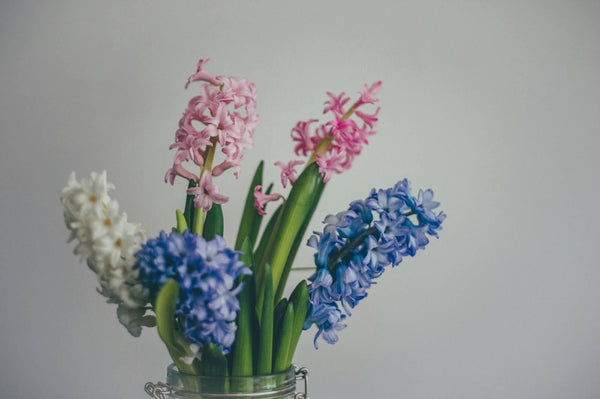
If you want something more striking, add oxypetalum nearby. Its star-shaped blue flowers contrast beautifully with the muted tones of hellebores. Or you can mix in flowers that look like hyacinths for a sweeter, more fragrant setup.
Because hellebores grow low, taller plants can frame them nicely. Just make sure the taller ones don’t block all the light.
Conclusion on Hellebore Care
Hellebores are proof that beauty doesn’t fade in winter. They thrive when most flowers rest, bringing calm colour and quiet strength to the garden. With proper care like choosing the right spot, steady watering, and regular upkeep, they’ll reward you year after year with graceful blooms that stand out in the cold.
If you want to add hellebores or other unique blooms to your garden or bouquet, we at SG Florist can help. Our team can recommend seasonal flowers, fresh arrangements, or care advice to keep your plants thriving.
Feel free to contact us for help with your floral needs.

Frequently Asked Questions About Hellebore Care
When Is the Best Time to Plant Hellebores?
The best time to plant hellebores is in autumn or early spring when the soil is cool and moist. This helps them establish strong roots before blooming.
Do Hellebores Need Full Sun?
No, they prefer partial shade. Too much sunlight can dry the leaves, while deep shade may reduce flowering. A spot with morning sun and afternoon shade is ideal.
Can I Grow Hellebores in Pots?
Yes, you can. Use a deep pot with drainage holes and rich, well-draining soil. Keep them in a shaded spot and water regularly without soaking the roots.
How Long Do Hellebores Live?
Hellebores can live for many years, often over a decade, if cared for properly. They grow better the longer they stay in one place.
Why Are My Hellebores Not Blooming?
This often happens when they’re planted too deep, lack sunlight, or have poor soil. Adjusting these factors usually brings the blooms back next season.explore tulip arrangements starting from $48. from classic reds to rare blues, explore the full rose range.
Share This Article

Jim Ng
Owner of Singapore FloristJim Ng is the owner of Singapore Florist, the boutique flower studio first opened in 1987 by its founding family. Jim and his team acquired Singapore Florist from the original owners with one promise: keep the craft, keep the customer relationships, and modernise everything else. Today the studio works out of Eunos Techpark, ships fresh stems islandwide, and has grown its review base past 202 verified Google reviews.
This article is part of an ongoing, well-researched flower-care library written by the Singapore Florist team, drawing on nearly four decades of hands-on bouquet design, daily delivery experience, and direct relationships with growers across Asia. If you spot anything we have missed or have a specific flower question, WhatsApp us directly and we will weave the answer into a future post.