

Table of Contents
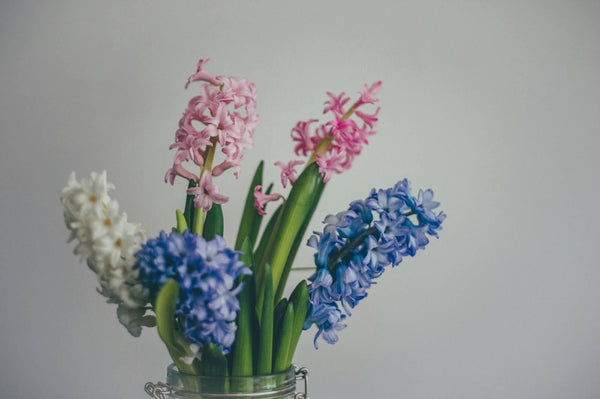
The beautiful hyacinth is loved for its clusters of star-shaped flowers and sweet spring scent. But sometimes, you might want a flower with a similar look for your home or garden. This guide explores nine lovely flowers that look like hyacinths.
We will introduce you to popular choices like Grape Hyacinths and Liatris, as well as fragrant options like Stock. You will find great alternatives for bouquets and even some that grow well in Singapore's warm climate. Let’s discover your next favourite flower.
If you love the tall, spiky shape of hyacinths, there are several other flowers that offer a similar dramatic effect. These flowers are perfect for adding height and interest to larger bouquets and arrangements.
1. Liatris (Blazing Star)
Liatris, also known as Blazing Star, is a wonderful hyacinth alternative, especially for its vibrant purple colour. It has a tall stem covered in feathery, fluffy flowers.
What makes Liatris unique is that it blooms from the top of the spike downwards, while most other flowers bloom from the bottom up. It is a very long-lasting cut flower, making it a favourite among florists for adding texture and a strong vertical line to modern bouquets.
2. Delphinium and Larkspur
Delphiniums are known for their majestic height and beautiful shades of blue, a colour that can be rare in flowers. They grow in tall, elegant spires that are covered in delicate florets. Larkspur is a close relative of the Delphinium but has a more airy and delicate appearance.
Compared to a hyacinth, both Delphinium and Larkspur are much taller and their flowers are less densely packed on the stem. In Singapore, these are considered premium flowers, often imported and used by florists to create stunning, luxurious arrangements for weddings and special events.
3. Stock (Matthiola incana)
The Stock flower is perhaps the best alternative if you are looking for both a similar look and a beautiful fragrance. It has a sturdy stem with a column of soft, ruffled flowers packed closely together. Stock has a wonderful, spicy scent that is often compared to cloves.
This sweet and pleasant fragrance makes it a fantastic substitute for the hyacinth's perfume. Florists love using Stock in arrangements to add fullness, a gentle texture, and of course, its delightful aroma.
Other Flowers with Hyacinth-Like Spikes

Beyond the most common alternatives, several other plants have a similar spiky flower shape. These options range from popular garden plants to other beautiful choices for floral design.
4. Salvia (Sage)
When we talk about Salvia, we are often referring to the ornamental varieties grown for their beautiful flowers, not the herb used for cooking. These plants produce slender, graceful spikes of small flowers in shades of purple, blue, and pink.
Salvia is an excellent choice for gardens in Singapore because it is hardy and can handle the heat. While it is not commonly used as a cut flower in bouquets, it creates a wonderful hyacinth-like effect in garden beds and attracts butterflies.
5. Veronica (Speedwell)
Veronica is a lovely flower that adds a delicate touch to bouquets. It features long, thin, tapered spikes of tiny flowers, which gives it an elegant and slightly whimsical look.
Florists often use Veronica as an accent flower in arrangements. It provides a beautiful vertical line and interesting texture without being as bold or dense as a hyacinth. It is perfect for adding a touch of wildflower charm to any design.
6. Foxglove (Digitalis)

Foxgloves are truly dramatic flowers, with very tall spikes of large, bell-shaped blooms that hang downwards. They often have beautiful speckles inside each flower. While they share the tall, spiked shape of a hyacinth, it is very important to be careful with them.
All parts of the Foxglove plant are poisonous if eaten. For this reason, they should only be admired in gardens or used in arrangements by professional florists, and they must always be kept safely away from children and pets.
7. Buddleja (Butterfly Bush)
The Butterfly Bush, or Buddleja, is named for its ability to attract butterflies. It produces long, arching clusters of tiny flowers that form a cone or spike shape. The flower clusters are less dense than a hyacinth's, creating a softer, more relaxed look.
Buddleja has a sweet, honey-like scent and is a wonderful choice for a Singapore garden. It not only looks beautiful but also brings lovely wildlife to your outdoor space.
8. Grape Hyacinth (Muscari)
The flower most often mistaken for a hyacinth is the Grape Hyacinth. Its scientific name is Muscari, and although it shares a similar name and look, it is a completely different plant. It is a charming, smaller flower that brings a similar feel to gardens and small vase arrangements.
Grape Hyacinths look like miniature versions of true hyacinths. They both have flowers clustered together on a stem. The main difference is their size and the shape of the individual flowers. Grape Hyacinths are much smaller and more delicate.
Their tiny flowers are shaped like little round bells or urns, which is why they are named after a bunch of grapes. True hyacinths have larger, star-shaped flowers that open more widely.
Grape Hyacinths are spring bulbs that need a period of cold to bloom properly. Because of Singapore's tropical weather, they can be tricky to grow in the garden year after year. Most people in Singapore enjoy them as seasonal potted plants purchased from a nursery or florist.
To grow them here, the bulbs need to be pre-chilled in a refrigerator for several weeks before planting to simulate a winter season.
Understanding the Classic Hyacinth Appeal
A true hyacinth has a very distinct look. It features a single, thick stem crowded with many small, fragrant flowers. This creates a dense, spike-like shape that is full of colour and texture. People love hyacinths for their powerful, sweet perfume that can fill an entire room. They are a classic symbol of spring.
So, why would you look for an alternative? In Singapore, hyacinths are seasonal and often imported, which can make them harder to find or more expensive at certain times of the year.
Some people might also find their scent a little too strong. You may also simply be looking for a flower with a similar vertical shape but in a different colour or size for a specific floral arrangement or garden spot.
How to Choose the Right Hyacinth Alternative
With so many options, choosing the right flower depends on what you need it for. Think about whether you want it for a vase, your garden, or for its scent.
For bouquets and flower arrangements, some of the best choices are Stock, Liatris, and Delphinium. Stock is perfect if you want a beautiful fragrance. Liatris and Delphinium are ideal for creating tall, dramatic designs that make a statement. Veronica is a great choice for adding a softer, more delicate vertical element.
For your Singapore garden, it is best to choose plants that can thrive in our warm and humid climate. Hardy options like Salvia and Butterfly Bush are excellent choices. They will provide that lovely spiky flower shape and will grow well with the right care. While you can grow bulb flowers like Grape Hyacinths, they require special treatment and are often best enjoyed as temporary potted plants.
If scent is the most important factor for you, the Stock flower is the closest and most wonderful alternative to a hyacinth. Its sweet and spicy fragrance is truly delightful.
Butterfly Bush also has a lovely honey-like scent. On the other hand, flowers like Liatris and Delphinium have almost no fragrance at all, making them a good choice if you are sensitive to strong smells.
Caring for Your Hyacinth-Like Flowers

To keep your cut flowers looking fresh and beautiful, there are a few simple steps to follow. When you first get them home, it is a good idea to trim about two centimetres off the bottom of the stems at an angle.
Make sure to remove any leaves that will be below the water level in the vase, as this helps keep the water clean. Place your flowers in a clean vase filled with fresh water and a packet of flower food. To help them last as long as possible, change the water every two days and keep them out of direct sunlight and away from heat.
If you have a potted plant like a Salvia, the care is a little different. These plants generally need regular watering, especially in Singapore's hot weather.
Check the soil, and water it when the top layer feels dry. Make sure the pot has good drainage so the roots do not sit in water. Most flowering plants also need a good amount of sunlight to produce beautiful blooms.
Conclusion On Flowers That Look Like Hyacinths
While the classic hyacinth is a special flower, there are many other beautiful options available that share its attractive spiked shape. From the small and charming Grape Hyacinth to the tall and elegant Delphinium, there is a wonderful alternative for every taste and purpose.
You can choose the fragrant Stock flower for a scented bouquet or plant hardy Salvia in your garden for lasting colour. We hope this guide helps you explore these lovely flowers and find a new favourite to enjoy in your home or garden.
When you want to convey a heartfelt message without uttering a single word, let the exquisite blooms from Singapore Florist do the talking for you. We firmly believe that every flower carries its own unique sentiment, and with our expert florists, your arrangements are guaranteed to express exactly what is in your heart.
Ready to send a message that truly speaks volumes and make your moments all the more memorable? Explore our stunning collections of flowers today or contact us for a personalized creation.
Frequently Asked Questions About Flowers That Look Like Hyacinths
What Flower Is Mistaken for Hyacinth?
The flower most commonly mistaken for a hyacinth is the Grape Hyacinth, also known as Muscari. It is much smaller but has a similar appearance with dense clusters of flowers on a single stem.
What Is the Difference Between a Hyacinth and a Grape Hyacinth?
The main differences are size and the shape of the flowers. A true hyacinth is larger with star-shaped florets that open widely. A Grape Hyacinth is smaller and more delicate, with tiny, urn-shaped flowers that resemble a bunch of grapes.
Are There Flowers That Smell Like Hyacinths?
Yes, the Stock flower (Matthiola incana) is a great alternative if you love fragrance. It has a strong, sweet, and spicy scent that is often compared to cloves, making it a wonderful substitute for the hyacinth's perfume.
What Is the Difference Between a Hyacinth and a Delphinium?
A hyacinth has a single, thick stem with a very dense cluster of small, fragrant flowers. A Delphinium is much taller and has a stately spire of individual florets that are more spread out. Delphiniums are also not typically known for their fragrance.
What Is the Difference Between Hyacinth and Larkspur?
A hyacinth is a bulb plant with a dense flower spike. A Larkspur is an annual plant related to the Delphinium, and it has a taller, more slender, and airy spike of flowers. The individual flowers on a Larkspur also have a distinctive shape with a long spur at the back.
Do Squirrels Eat Grape Hyacinths?
Squirrels and other rodents tend to avoid eating Grape Hyacinth bulbs. The bulbs contain compounds that are mildly toxic and have an unpleasant taste to them, which usually discourages animals from digging them up.
Related Reading: You might also enjoy reading about the meaning and symbolism of hyacinth flowers.
Share This Article

Jim Ng
Owner of Singapore FloristJim Ng is the owner of Singapore Florist, the boutique flower studio first opened in 1987 by its founding family. Jim and his team acquired Singapore Florist from the original owners with one promise: keep the craft, keep the customer relationships, and modernise everything else. Today the studio works out of Eunos Techpark, ships fresh stems islandwide, and has grown its review base past 202 verified Google reviews.
This article is part of an ongoing, well-researched flower-care library written by the Singapore Florist team, drawing on nearly four decades of hands-on bouquet design, daily delivery experience, and direct relationships with growers across Asia. If you spot anything we have missed or have a specific flower question, WhatsApp us directly and we will weave the answer into a future post.