

Table of Contents
Lilacs are famous for their sweet scent and beautiful cone-shaped blooms. However, true lilacs are not always available in tropical climates like Singapore because they need cold winters to grow. Fortunately, you do not have to miss out on that lovely purple aesthetic.
There are many other flowers that look like lilac and thrive in bouquets and vase arrangements. This guide will show you the best alternatives to achieve that soft, romantic look in your home using fresh cut stems available at your local florist.
1. Buddleia (The Summer Lilac)
Buddleia is often the first flower people think of when looking for a lilac alternative. In fact, it is widely known by the nickname "Summer Lilac" because the resemblance is so striking. This flower features long, cone-shaped clusters of tiny florets that look almost identical to lilac panicles. They come in rich shades of purple, magenta, and white, making them a perfect visual match for a lilac-themed arrangement.
When you place Buddleia in a vase, it brings a wild and rustic charm to your home. Unlike the floral perfume of a true lilac, Buddleia has a sweet, honey-like fragrance that is very pleasant in a living room or hallway. The stems are usually quite woody, so they drink a lot of water. It is a wonderful choice if you want to add volume and texture to a large glass vase. The arching stems create a relaxed and natural shape that softens the look of any room.
2. Stock (Matthiola Incana)
Stock is a favourite among florists in Singapore for its incredible fragrance and fluffy appearance. These flowers grow in tall, thick spikes that are densely packed with ruffled blooms. While the individual petals are larger than those of a lilac, the overall effect of the flower spike is very similar. Stock comes in beautiful vintage shades of lavender, deep violet, pink, and white.
The scent of Stock is one of its best features. It has a spicy, clove-like perfume that can fill a room without being overpowering. This makes it an excellent choice for a dining table centrepiece or a bedside table arrangement. The stems are sturdy and straight, which makes them very easy to arrange in a tall cylindrical vase. Because the flower heads are so full, you only need a few stems of Stock to make a bouquet look lush and expensive. They pair beautifully with green foliage to make the purple colour pop.
3. Hyacinth
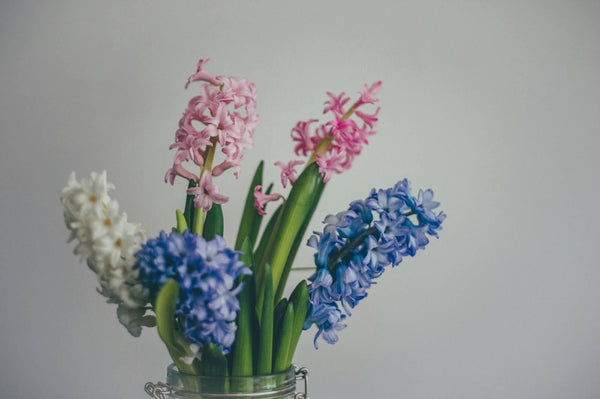
If you love the star-shaped florets of a lilac, the Hyacinth flower is the perfect substitute. Each thick stem is covered in dozens of waxy, star-shaped flowers that bloom in a tight cluster. They are most famous for their intense, sweet fragrance. Just one or two stems of Hyacinth can scent an entire bathroom or small living area. They offer a colour palette very close to lilacs, featuring deep indigo, soft violet, and pastel pinks.
Hyacinths are generally shorter than lilacs, which makes them ideal for low arrangements. They look stunning cut short and placed in a small, round bubble bowl or a series of bud vases along a table. Because their stems are soft and fleshy, they prefer cool water and should not be placed in direct sunlight. The dense look of the Hyacinth mimics the heavy, luxurious feel of a lilac bloom in full flower, bringing a touch of spring freshness to your home decor.
4. Delphinium

For those who love the height and drama of lilacs, Delphinium is a majestic choice. These are tall, spire-like flowers that can reach impressive heights. They are covered in many small flowers that open from the bottom of the stem upwards. Delphiniums are one of the few flowers that come in true blue shades, as well as lovely lavenders and deep purples.
Delphiniums are perfect for grand entrance arrangements or placing on a sideboard where you have plenty of vertical space. Their structure adds a strong line to any bouquet, drawing the eye upwards. While they do not have a strong scent like lilacs, their visual impact is undeniable. They look elegant on their own in a tall ceramic vase or mixed with rounder flowers like roses to create a contrast in shapes. The "spire" shape effectively exaggerates the conical form of the lilac, giving you a similar silhouette on a grander scale.
5. Wisteria
Wisteria offers a dreamy, romantic look that is very similar to lilac, but with a twist. Instead of standing upright, the flower clusters of Wisteria drape and hang downwards. This cascading effect is breathtaking and adds a sense of movement to floral displays. The individual flowers are pea-shaped and grow in long, drooping clusters known as racemes, usually in shades of soft violet and blue-purple.
Using Wisteria in a vase requires a bit of height to allow the blooms to hang naturally. They look best in a tall, narrow vase placed on a pedestal or the edge of a mantelpiece. The draping blooms create a whimsical, fairy-tale aesthetic that is perfect for special occasions like weddings or anniversary dinners. The scent is often sweet and musky. Although Wisteria stems can be delicate once cut, their beauty makes them worth the extra care. They bring a softness to the home that mimics the gentle, swaying nature of lilac bushes.
6. Lavender
Lavender is world-famous for its soothing scent and healing properties, but it also shares a visual link with lilac. While the flower spikes are much thinner and more delicate, the colour is iconic. Fresh lavender stems feature tiny purple florets arranged in a spike at the top of a slender grey-green stem. The colour is a classic purple that complements any neutral home decor.
In a vase, lavender works best when bunched together in large quantities. A large handful of fresh lavender in a simple white pitcher creates a farmhouse-style look that is very trendy. The fragrance is calming and clean, making it perfect for bedrooms or bathrooms. Unlike lilac, lavender dries beautifully. You can enjoy a fresh bouquet for a week, and then let it dry in the vase to keep as a permanent decoration. It captures the essence of the purple lilac garden in a more compact and long-lasting form.
7. Snapdragon

Snapdragons are classic cottage garden flowers that make excellent cut flowers. They grow in a vertical column, similar to the panicles of a lilac. The individual flowers are tubular and open gradually up the stalk. They come in a wide variety of colours, including bright purples, lavenders, and soft pinks that match the lilac palette perfectly.
These flowers are very structural and stand straight up in a vase. They have a long vase life, often lasting over a week with proper care. Snapdragons add height and texture to a mixed bouquet. You can combine purple Snapdragons with white lilies or roses for a sophisticated display. While the individual flower shape is different from a lilac floret, the overall "spike" shape fills the same role in floral design. They are readily available in Singapore and are a reliable choice for adding colour and height to your home.
8. Heliotrope
Heliotrope is often called the "Cherry Pie" flower because of its delicious scent, which reminds many people of vanilla, almonds, or baked cherries. Visually, it produces large, flat clusters of tiny, deep purple or blue-violet flowers. These clusters can look like miniature, flattened lilac heads. The deep, intense purple colour is very striking and adds depth to any floral arrangement.
This flower is excellent for adding a vintage feel to your bouquets. The clusters are dense and rich, filling in gaps between larger flowers. Heliotrope looks lovely in a short, wide vase where the heads can rest near the rim. The dark foliage provides a nice contrast to the bright purple blooms. It is a flower that appeals to the senses, offering both a stunning deep colour and a comforting, sweet fragrance that rivals the scent of lilac.
9. Veronica (Speedwell)
Veronica, also known as Speedwell, offers a slender and elegant take on the lilac look. The flowers form tight, tapered spikes that look like colourful wands. They are usually available in shades of royal blue, purple, pink, and white. The texture of a Veronica spike is very fine and fuzzy, giving it a soft appearance similar to the tip of a lilac bloom.
In floristry, Veronica is often used as a "filler" flower, but it deserves to be a main feature too. It adds a vertical accent to arrangements without being as heavy or wide as Stock or Hyacinth. The twisting, curving tips of the flower spikes add a playful movement to bouquets. They look sophisticated in a modern glass vase or mixed into a hand-tied bouquet. Veronica is very durable and holds its colour well, making it a practical and beautiful alternative for busy homemakers who want long-lasting blooms.
10. Ceanothus (California Lilac)
As the name "California Lilac" suggests, Ceanothus is a fantastic lookalike. It produces thimble-sized clusters of tiny blue or violet flowers. When in bloom, the effect is a hazy, fluffy cloud of colour that looks very much like a lilac bush from a distance. The texture is powdery and soft, creating a gentle and calming visual.
Ceanothus is wonderful for adding volume and a unique blue-purple shade to your vases. It works well as a texturising element in bouquets, sitting between larger focal flowers. The "fluffy" look softens the edges of an arrangement, making it look fuller and more abundant. While it is more commonly found in blue shades, these blues often lean towards violet, fitting well into a purple colour scheme. It brings a unique, airy quality to floral designs that mimics the fullness of lilac panicles.
Conclusion On Flowers That Look Like Lilac
You do not need to wait for a specific season or live in a cold climate to enjoy the beauty of purple, cone-shaped blooms in your home. There are many wonderful flowers that look like lilac available to us in Singapore.
From the spicy scent of Stock to the elegant spires of Delphinium and the "Summer Lilac" charm of Buddleia, you have plenty of options. By choosing these alternatives, you can create stunning, fragrant floral arrangements that bring a touch of romance and freshness to your living space. Experiment with different textures and shades of purple to find the perfect match for your home decor.
If you have any questions or want to order a bouquet of flowers, please contact us. Visit Singapore Florist to find beautiful flowers and bouquets for any occasion.
Frequently Asked Questions About Flowers That Look Like Lilac
What Flower Looks Like A Lilac But Isn't?
The most common flower that looks like a lilac but isn't is the Buddleia, often called the Butterfly Bush or Summer Lilac. Another very popular lookalike used in bouquets is Stock (Matthiola incana), which has thick, fluffy spikes of purple flowers and a spicy scent.
Is There A Flower That Looks Like A Lilac?
Yes, there are several flowers that look like a lilac. Hyacinths share the same star-shaped florets and intense fragrance, while Delphiniums and Snapdragons mimic the tall, conical shape of lilac blooms. These are great alternatives for vases and bouquets.
What Is The Summer Version Of Lilac?
The summer version of lilac is widely considered to be the Buddleia. It blooms later in the year than traditional lilacs but produces very similar long, cone-shaped flower clusters in shades of purple, pink, and white.
What Plant Has Purple Flowers That Look Like Lavender?
Russian Sage and Salvia are plants that have purple flowers looking very similar to Lavender. In terms of cut flowers for a vase, Veronica (Speedwell) also offers a similar slender, purple spike that mimics the look of Lavender.
What Are The Purple Flowers That Grow In Clusters?
Many purple flowers grow in clusters suitable for floral arrangements. The most popular ones include Hyacinth, Wisteria, Heliotrope, and Agapanthus. These flowers provide a dense splash of colour and are perfect for creating focal points in bouquets.
What Is The Name Of The Flower That Looks Like A Hyacinth?
The Grape Hyacinth (Muscari) looks like a miniature version of a standard Hyacinth. Additionally, stocky varieties of Lilac themselves can sometimes resemble the dense, cylindrical growth habit of a Hyacinth bloom.
Share This Article

Jim Ng
Owner of Singapore FloristJim Ng is the owner of Singapore Florist, the boutique flower studio first opened in 1987 by its founding family. Jim and his team acquired Singapore Florist from the original owners with one promise: keep the craft, keep the customer relationships, and modernise everything else. Today the studio works out of Eunos Techpark, ships fresh stems islandwide, and has grown its review base past 202 verified Google reviews.
This article is part of an ongoing, well-researched flower-care library written by the Singapore Florist team, drawing on nearly four decades of hands-on bouquet design, daily delivery experience, and direct relationships with growers across Asia. If you spot anything we have missed or have a specific flower question, WhatsApp us directly and we will weave the answer into a future post.