

Table of Contents
Foxgloves have that special kind of charm you can’t ignore. Tall, graceful, and covered in soft bell-shaped blooms, they look like something out of an enchanted story. You’ll see them standing proudly in gardens, woodlands, and meadows, each flower dangling like a tiny bell. Their colours, like pinks, purples, whites, and even yellows, create a dreamy, almost magical sight.
But foxgloves aren’t just pretty. They carry layers of meaning, stories from old folklore, and even a touch of danger. In history, they’ve been linked to fairies, magic, and healing. They’ve been loved by gardeners, feared by some, and admired by poets. There’s more to them than meets the eye.
Let’s explore what makes this flower so special, the stories that surround it, and how you can enjoy it safely in your own garden.
What Makes Foxglove So Unique
Foxgloves, known by their scientific name Digitalis, are biennial plants. That means they usually take two years to bloom. In the first year, they grow leaves close to the ground, and in the second, they send up those tall flowering spikes that can reach over a metre high.
Each spike carries rows of bell-like flowers with spotted throats that attract bees and butterflies. The patterns aren’t just for beauty; they act as “landing guides” for pollinators. This natural design helps insects find their way inside to collect nectar and pollen.
What really makes foxgloves stand out is their mix of beauty and power. They’re beautiful to look at, yet they contain digitalis, a chemical used in heart medicine. In the right dose, it can save lives. In the wrong one, it can be poisonous. It’s rare for one plant to hold such a perfect balance between healing and danger.
What Does Foxglove Mean?
Foxgloves carry mixed meanings. They’re often seen as symbols of healing, creativity, and energy, but also of caution and insincerity. The reason is simple: the same plant that can heal can also harm.
In the language of flowers, foxglove can mean both protection and warning. It reminds people that strength and beauty often come with responsibility. The foxglove’s dual meaning mirrors life itself: sometimes, something lovely can have a hidden edge, and something dangerous can bring good when handled wisely.
Foxglove in Folklore and Fairy Tales
Foxgloves have one of the richest folklore histories of any flower. In old European stories, they were said to be the flowers of fairies, witches, and even foxes. Their name likely came from “folk’s glove,” meaning gloves for fairy folk, which later turned into “foxglove.”
- Fairy gloves: Some tales say foxgloves were used by fairies as gloves or hats when dancing in moonlight. The tiny spots inside each flower were believed to be fairy fingerprints.
- Fox legends: In other stories, foxes wore the flowers on their paws to sneak silently through villages at night while hunting chickens. That’s how, according to legend, they got their name.
- Magic protection: People once hung foxglove flowers around their homes or barns to keep away evil spirits. It was said to protect children and livestock from harm.
These stories gave foxgloves a mythical status. Even now, when you see them growing wild, there’s something about them that feels otherworldly, like they’re guarding a secret.
The Healing and the Harm

What gives the foxglove its strong symbolism is also what makes it so fascinating. Inside its leaves is digitalis, a compound that changed the course of heart medicine. In the 18th century, doctors discovered that a small dose of this chemical could help people with heart failure live longer and breathe easier.
But here’s the twist: every part of the foxglove is toxic. Touching it can irritate your skin, and eating it can cause serious illness. That’s why it’s often described as both a flower of healing and a flower of caution.
This double nature gave rise to its deeper meaning: respect for nature’s balance. It’s a reminder that beauty should never be taken lightly and that strength often hides in gentle forms.
Why Gardeners Still Love Foxgloves
Despite their toxic nature, gardeners adore foxgloves. They add instant height, elegance, and a touch of wildness to any garden. Their tall spikes make them perfect for background planting, while their soft colours blend easily with many other flowers.
They’re also great flowers to attract butterflies to your garden, along with bees and hummingbirds. Their bell-shaped blooms hold nectar deep inside, inviting pollinators to work their way in.
If you’re thinking of growing foxgloves, keep these tips in mind:
- Light: They like bright areas with some shade. Too much direct sunlight can dry them out.
- Soil: They prefer soft, well-drained soil with gentle moisture.
- Water: Keep them watered regularly, but don’t let the soil get soggy.
- Bloom cycle: Since they’re biennials, expect flowers in the second year after planting.
- Pairing: They go well with daisies, roses, and lilies for a soft, layered garden look.
Foxgloves are timeless. They make your garden feel alive, elegant, and just a bit wild.
Foxgloves and Other Beautiful Blooms
One of the joys of gardening is mixing flowers that complement each other. Foxgloves pair beautifully with other plants that match their height or colour tone.
- With roses: The soft bells of foxglove balance the round shape of roses. Together, they create a cottage garden look that’s full of charm.
- With lilies: The tall, proud stance of both flowers gives structure and grace to flower beds.
- With daisies: Their simple shape contrasts nicely with the detailed texture of foxgloves.
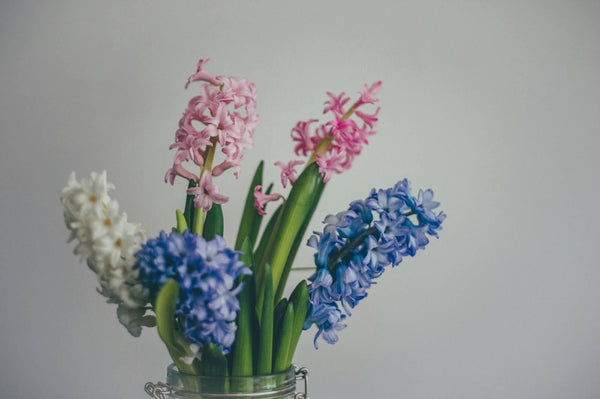
If you want more variety, try pairing them with flowers that look like daffodils or flowers that look like hyacinths. The result is a natural, layered garden that looks full but never too busy.
Flowers You Shouldn’t Mix with Foxgloves
Foxgloves are wonderful outdoors but not so great indoors. They are flowers that should not be in a wedding bouquet or any bouquet meant to be touched often. Their sap can irritate skin, and their toxins are dangerous if accidentally swallowed.
If you want tall flowers for bouquets, use delphiniums or snapdragons instead. They give the same structure without the risk. Foxgloves are best left to grow freely in your garden, where their beauty can be admired safely from a distance.
A Lesson From The Foxglove

Every flower teaches something, and the foxglove’s lesson is about respect. It shows that even the most delicate things can have strength. It’s a symbol of balance between danger and healing, light and shadow.
Foxgloves remind us that beauty isn’t always harmless, and that what seems gentle may hold great power. In gardens, they stand as tall reminders of nature’s mystery, power, and grace.
Foxgloves in Art and Literature
Foxgloves have long inspired artists and writers who see them as symbols of beauty mixed with danger. Painters often used them to capture the fragile side of nature, while poets described them as mysterious and alluring.
In Victorian art, foxgloves often appeared in garden scenes or floral still-life paintings. Their tall stems and spotted bells were seen as a sign of elegance and refinement. Artists loved how the flower seemed both gentle and powerful, a perfect image of nature’s dual side.
Writers, too, found meaning in foxgloves. They’ve been mentioned in old poems as flowers of fairies and transformation. Some saw them as symbols of hidden strength or warning, something lovely that shouldn’t be underestimated. Even today, garden writers describe them with awe, calling them the “guardians of the forest” or “the bells of mystery.”
Foxgloves remind us that beauty often comes with a story. When you grow them in your garden, you’re also keeping alive a small piece of that history, one that connects nature, imagination, and art.
How to Grow and Enjoy Foxgloves Safely

If you’ve fallen for foxgloves, you can absolutely grow them at home. They’re not hard to care for as long as you handle them carefully and understand their needs.
- Choose the right spot: Foxgloves prefer part shade with a bit of morning sun. They look great near fences or at the back of flower beds where their tall stems can stand out.
- Planting: Sow seeds or plant young seedlings in well-drained soil. Water gently to help them settle in, and leave enough space for air to move between plants. This prevents mould and leaf spots.
- Watering and feeding: Keep the soil slightly damp but not soggy. Add compost or mild fertiliser during spring to encourage healthy growth and bigger blooms.
- Safety tips: Always wear gloves when handling foxgloves, especially if you’re trimming or moving them. Keep children and pets away from them, and never use them in floral arrangements meant for the table.
Growing foxgloves safely means enjoying their charm without worry. They’ll reward you with stunning blooms and bring that soft, woodland feel to your garden without any trouble.
Conclusion On Foxglove Meanings And Symbolism
Foxgloves are more than flowers. They’re stories, legends, and lessons wrapped in beauty. They remind us to look at nature not just for what we can see but for what it can teach.
If you’re thinking of adding meaningful blooms to your garden or gifting flowers with history behind them, visit SG Florist! We offer a wide range of roses, lilies, and preserved flowers that capture the same beauty and emotion nature gives us.
Contact us today to find the perfect arrangement or bouquet for your space.

Frequently Asked Questions About Foxgloves Meaning
Are Foxgloves Poisonous To Touch?
Yes, they can be. The sap may irritate your skin, so it’s best to wear gloves when handling it. Always wash your hands after gardening.
Do Foxgloves Grow Back Every Year?
Most foxgloves are biennials, meaning they grow leaves the first year and flowers the next. However, if they self-seed, they’ll return naturally year after year.
Can Foxgloves Grow In Pots?
Yes, they can. Use a large, deep pot with well-drained soil and partial shade. Keep the soil slightly moist but not soaked.
Are Foxgloves Safe For Pets?
No, they’re not. Foxgloves are toxic to cats and dogs if eaten, so it’s best to keep pets away from areas where they grow.
When Do Foxgloves Bloom?
They usually bloom in late spring to early summer. Their flowers can last for several weeks, especially in cooler weather.
Share This Article

Jim Ng
Owner of Singapore FloristJim Ng is the owner of Singapore Florist, the boutique flower studio first opened in 1987 by its founding family. Jim and his team acquired Singapore Florist from the original owners with one promise: keep the craft, keep the customer relationships, and modernise everything else. Today the studio works out of Eunos Techpark, ships fresh stems islandwide, and has grown its review base past 202 verified Google reviews.
This article is part of an ongoing, well-researched flower-care library written by the Singapore Florist team, drawing on nearly four decades of hands-on bouquet design, daily delivery experience, and direct relationships with growers across Asia. If you spot anything we have missed or have a specific flower question, WhatsApp us directly and we will weave the answer into a future post.