

Table of Contents
If you’ve ever wandered through a cottage garden or along a woodland path, you’ve probably seen foxgloves standing tall and proud, their bell-shaped blooms nodding in the breeze. These flowers are like nature’s chandeliers: elegant, colourful, and full of charm.
But did you know there are actually many different types of foxglove, each with its own unique features?
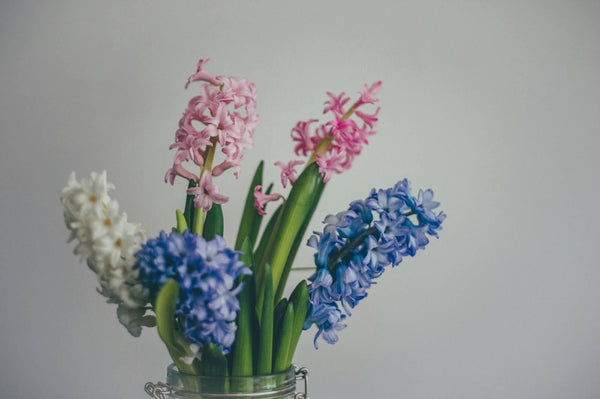
Foxgloves aren’t just pretty to look at. They bring life to gardens, attract bees, and add that wild, fairytale touch that makes everything look more alive. Some people even mistake them for flowers that look like hyacinths, especially when they bloom in clusters.
What Makes Foxgloves Unique
Foxgloves (scientific name Digitalis) are famous for their tall spires covered in bell-shaped blossoms. They come in shades of purple, pink, white, and yellow, and they bloom from the bottom up. When in full bloom, they can reach over a meter tall, standing like floral sentinels guarding your garden.
What really makes them special is how they attract pollinators. Bees love them. Hummingbirds adore them. If you’re looking for flowers to attract butterflies to your garden, foxgloves are an excellent choice. Their tubular blooms act like nectar-filled tunnels, drawing these tiny visitors in for a treat.
Another fun fact? Foxgloves are biennials, which means they usually grow leaves in their first year and bloom the next. So, patience is key; but when they finally flower, it’s absolutely worth it.
Common Types of Foxglove You Can Find

There are many varieties of foxglove, but a few stand out for their popularity and striking looks. Let’s explore some of the most loved types and what makes each one easy to identify.
1. Common Foxglove (Digitalis purpurea)
This is the classic foxglove most people recognize. It’s tall, majestic, and covered with purple-pink flowers that dangle gracefully from the stem. The insides of the bells often have beautiful freckle-like patterns, almost as if nature decided to paint each one by hand.
Common foxglove grows easily in partial shade and loves moist soil. It’s also the one you’ll often see in fairytale illustrations, swaying gently beside cottages and stone fences.
2. Grecian Foxglove (Digitalis lanata)
This one is a little different. The Grecian foxglove has cream or light tan flowers with darker veins running through them, giving it a more delicate and antique look. Its leaves are fuzzy, almost woolly, and the whole plant has a softer feel.
It’s shorter than the common type but blooms beautifully in dry, sunny areas. If you’re looking for something that thrives even when the soil isn’t perfect, this is your pick.
3. Yellow Foxglove (Digitalis grandiflora)
Yellow foxglove brings warmth to any garden with its golden blooms. The flowers are slightly larger and more open, allowing easier access for bees and butterflies. It’s an ideal choice if you want to brighten up shady corners without going overboard on colour.
This one’s perfect for blending with cool tones like purples and blues. Pair it beside a purple flower bed for contrast that pops.
4. Strawberry Foxglove (Digitalis × mertonensis)
A natural hybrid between common and rusty foxgloves, the Strawberry foxglove stands out with its rosy, mauve-red blooms. The flowers are shorter and rounder, giving them a plumper look.
It’s also known for being sturdy, which is less likely to topple over in wind or heavy rain. This makes it perfect for gardeners who want colour without the fuss of constant staking.
5. Dusky Maid Foxglove
This one looks like it came straight from a vintage garden painting. Dusky Maid foxglove has soft lavender-pink petals and a graceful, upright shape. It’s not as tall as some of the others, but its subtle beauty makes it perfect for garden borders.
If your goal is to create a calm, romantic look, this variety fits right in.
How To Identify Each Type

If you’ve ever looked at a bunch of foxgloves and thought, “They all look the same,” don’t worry, you’re not alone. Once you know the little details, though, spotting differences becomes second nature.
Colour and Pattern
The most obvious clue is colour. Common foxgloves are usually purple or pink with spotted throats. Yellow foxgloves, on the other hand, have no spots and come in warm golden tones. Grecian foxgloves often have vein-like markings that make them look more intricate.
Leaf Shape and Texture
Run your fingers along the leaves (carefully, of course). If they’re soft and woolly, you’re probably looking at a Grecian foxglove. Smooth, glossy leaves belong to the common variety.
Height and Growth Habit
Common foxgloves can grow very tall, sometimes over 6 feet. Hybrids like Strawberry foxglove are more compact and sturdier. Dwarf types like the Dalmatian series stay under 3 feet tall.

Blooming Season
Not all foxgloves bloom at the same time. Common ones usually start in late spring, while hybrids like Camelot or Dalmatian may bloom earlier and longer.
Habitat and Location
Foxgloves that grow naturally in woodlands tend to prefer shade and moisture. The ones bred for gardens, like hybrids, are more tolerant of sun and dry soil.
Hybrid And Rare Foxglove Varieties
Beyond the traditional species, breeders have created some stunning hybrids that bloom longer and come in colours that look straight out of a dream.
- Dalmatian Series: Known for blooming in their first year, these are perfect for impatient gardeners. They’re compact, making them great for small gardens or pots. Their flowers come in shades of purple, white, and rose, with distinct freckled centres.
- Camelot Series: Tall and stately, the Camelot foxgloves look like they belong in royal gardens. They bloom in soft shades of lavender, cream, and rose, and they’re long-lasting too. Perfect if you want vertical colour in garden borders.
- Apricot Beauty: This hybrid lives up to its name. Its warm peachy tones blend beautifully with other soft-colored plants. If your garden theme leans toward pastel, this one’s a must-have.
- Pam’s Choice: White with deep maroon centres, Pam’s Choice is a dramatic variety that turns heads instantly. It’s elegant, bold, and full of contrast, which is perfect for adding flair to any corner of your garden.
Tips For Growing And Caring For Foxgloves
Once you know your type, caring for foxgloves becomes simple. They don’t ask for much, but they do reward you for a little love and patience.
- Soil: Rich, well-drained soil helps them grow strong and healthy. Adding compost gives them extra nutrients.
- Light: Partial shade is best, especially in hotter climates.
- Water: Keep the soil slightly moist, especially during the growing season.
- Spacing: Give them space to breathe so air can circulate and prevent diseases.
- Deadheading: Removing faded blooms can encourage more flowers to grow.
If you’re new to gardening and learning how to care for flowers, foxgloves are a great place to start. They’re forgiving and easy to maintain once you understand their rhythm.
Where To Plant Different Types

Not every foxglove wants the same home. Picking the right spot makes all the difference.
- Cottage Gardens: If your garden has that classic cottage charm, go for Common or Strawberry foxgloves. Their colours and shapes fit right in among roses and daisies.
- Woodland Edges: Yellow and Grecian foxgloves prefer dappled light and moist soil. They look beautiful when planted under trees or beside shady paths.
- Borders and Containers: For smaller spaces, hybrids like the Camelot or Dalmatian series are ideal. They fit neatly into pots or along garden edges, adding vertical drama without overwhelming the space.
Why Foxgloves Are Loved By Gardeners
Foxgloves have this rare mix of beauty, history, and wild appeal. They grow where other plants hesitate and fill every space with life. Gardeners love them for their charm, versatility, and ability to attract pollinators.
They’re also the kind of plants that surprise you: you plant them once, and they may reseed and return year after year, giving you fresh blooms every season. No wonder they’re among the top flowers to attract butterflies to your garden.
Safety And Care Notes
Here’s something every gardener should know: all parts of the foxglove plant are poisonous if eaten. While they look lovely in bouquets, they’re flowers that should not be in a wedding bouquet. Keep them away from pets and curious kids.
Still, they’re completely safe to grow as long as you handle them responsibly. Fun fact: compounds from foxgloves are actually used in heart medications! So while they’re dangerous to eat, they also have an important role in modern medicine.
Conclusion On Types Of Foxgloves
Foxgloves are much more than just tall, pretty plants. They’re timeless, hardy, and endlessly fascinating. Once you learn to recognise the different types, you’ll start to appreciate the subtle variations, from their petal patterns to their height and colours.
Whether you’re filling a shaded corner, creating a wild garden, or just starting your green-thumb journey, foxgloves add elegance and depth to any space. And if you ever wonder what preserved flower is used for, imagine capturing the delicate beauty of a foxglove bloom; that’s the same kind of magic it holds.
Grow them, love them, and watch how they make your garden feel alive. If you’re looking for fresh foxglove flowers, check out SG Florist.
Contact us today for more information!

Frequently Asked Questions About Foxgloves
What Is The Most Common Type Of Foxglove?
The most common type is Digitalis purpurea, also known as the common foxglove. It’s famous for its tall spires and purple-pink blooms.
How Can You Tell The Difference Between Foxglove Varieties?
Look at the colour, leaf texture, and bloom pattern. Some have spots, some have veins, and others come in unique shades like yellow or rose.
Do Foxgloves Bloom Every Year?
Most foxgloves are biennials, meaning they bloom every other year. But hybrids like the Dalmatian and Camelot series can flower in their first year.
Are Foxgloves Difficult To Grow?
Not at all! They’re easy for beginners once you understand how to care for flowers properly; just give them light, space, and moist soil.
Can Foxgloves Grow In Pots?
Yes, smaller varieties and hybrids do well in containers. Just make sure the pot has good drainage and enough sunlight.
Share This Article

Jim Ng
Owner of Singapore FloristJim Ng is the owner of Singapore Florist, the boutique flower studio first opened in 1987 by its founding family. Jim and his team acquired Singapore Florist from the original owners with one promise: keep the craft, keep the customer relationships, and modernise everything else. Today the studio works out of Eunos Techpark, ships fresh stems islandwide, and has grown its review base past 202 verified Google reviews.
This article is part of an ongoing, well-researched flower-care library written by the Singapore Florist team, drawing on nearly four decades of hands-on bouquet design, daily delivery experience, and direct relationships with growers across Asia. If you spot anything we have missed or have a specific flower question, WhatsApp us directly and we will weave the answer into a future post.